By Katie Wozniak, Principal Designer, KED Interiors
Some places are so thoughtfully designed that, even more than a century later, they still have something to teach us.
I recently had the opportunity to visit Biltmore Estate in Asheville, North Carolina, and while I arrived expecting to admire its extraordinary architecture and interiors, I left thinking about something much more enduring: the relationship between beautiful design and the way we live. Built for George Vanderbilt in the late 19th century, Biltmore is remarkable in its scale, craftsmanship, and attention to detail. But what interested me most as an interior designer wasn't simply its grandeur. It was how a historical destination could endure and inspire livability and wellness even today. It really proves the essence of what I consider timeless design.
Every room, architectural detail, and carefully framed view seemed to serve a purpose. The estate was designed not only to impress, but to welcome, entertain, and provide a retreat from the outside world. What I love from a design perspective is how personal his vision was: room for the art and books he collected, spaces to welcome family and friends, and a working estate rooted in the surrounding landscape. An extraordinary wish list, certainly, but one that started with something familiar to me as a designer: how someone wants to live.
And in many ways, those same principles continue to inform the homes we design at KED Interiors today.
But first, a moment for the destination itself. After spending time in Asheville, I can understand why George Vanderbilt wanted to build a retreat here. The Blue Ridge Mountains are quite a draw. His version of a mountain escape just happened to be a French Renaissance château. As soon as we reached the area, I knew I would want to spend as much time exploring the mountains and outdoor areas as I would the Biltmore Estate.
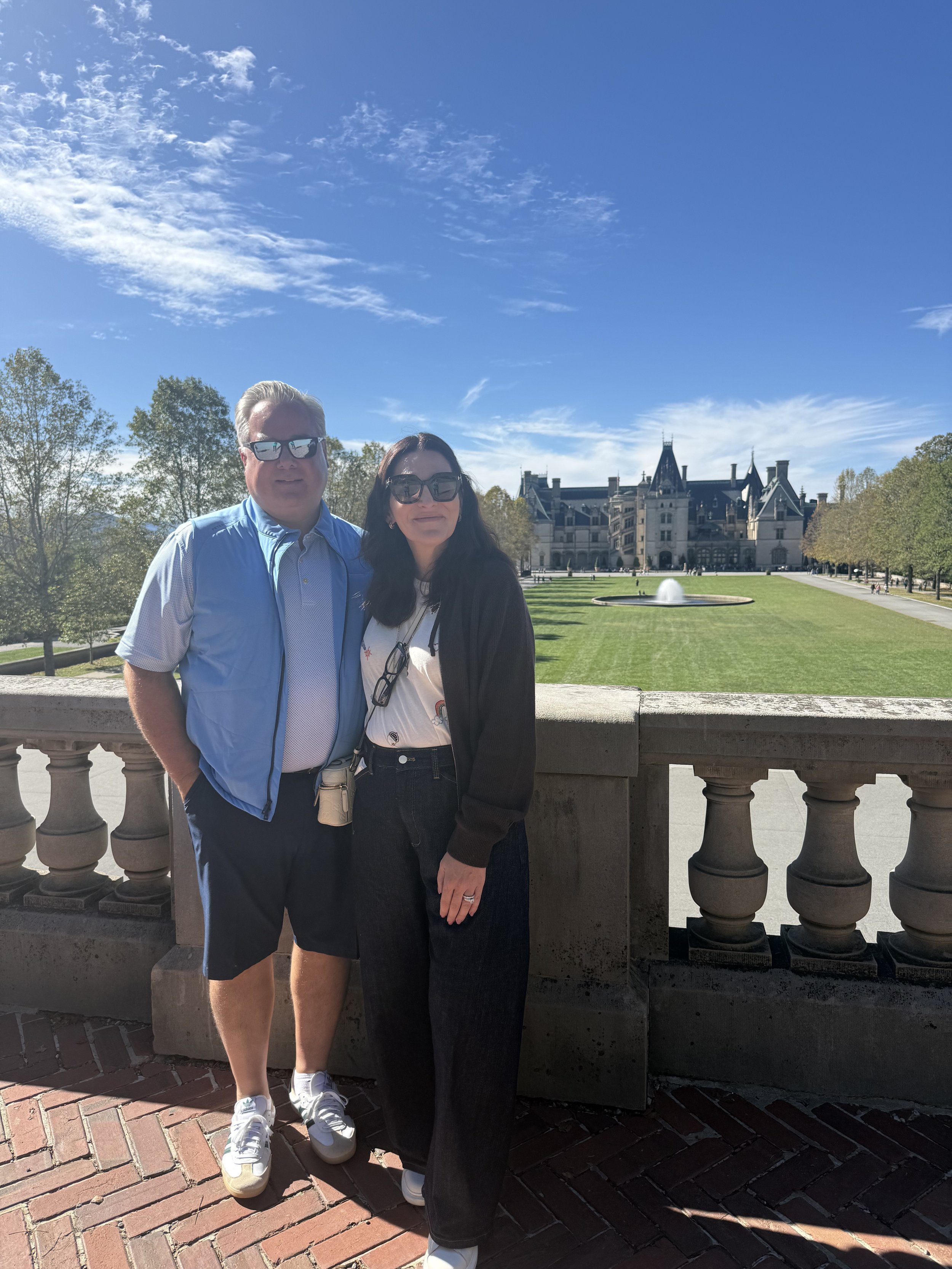
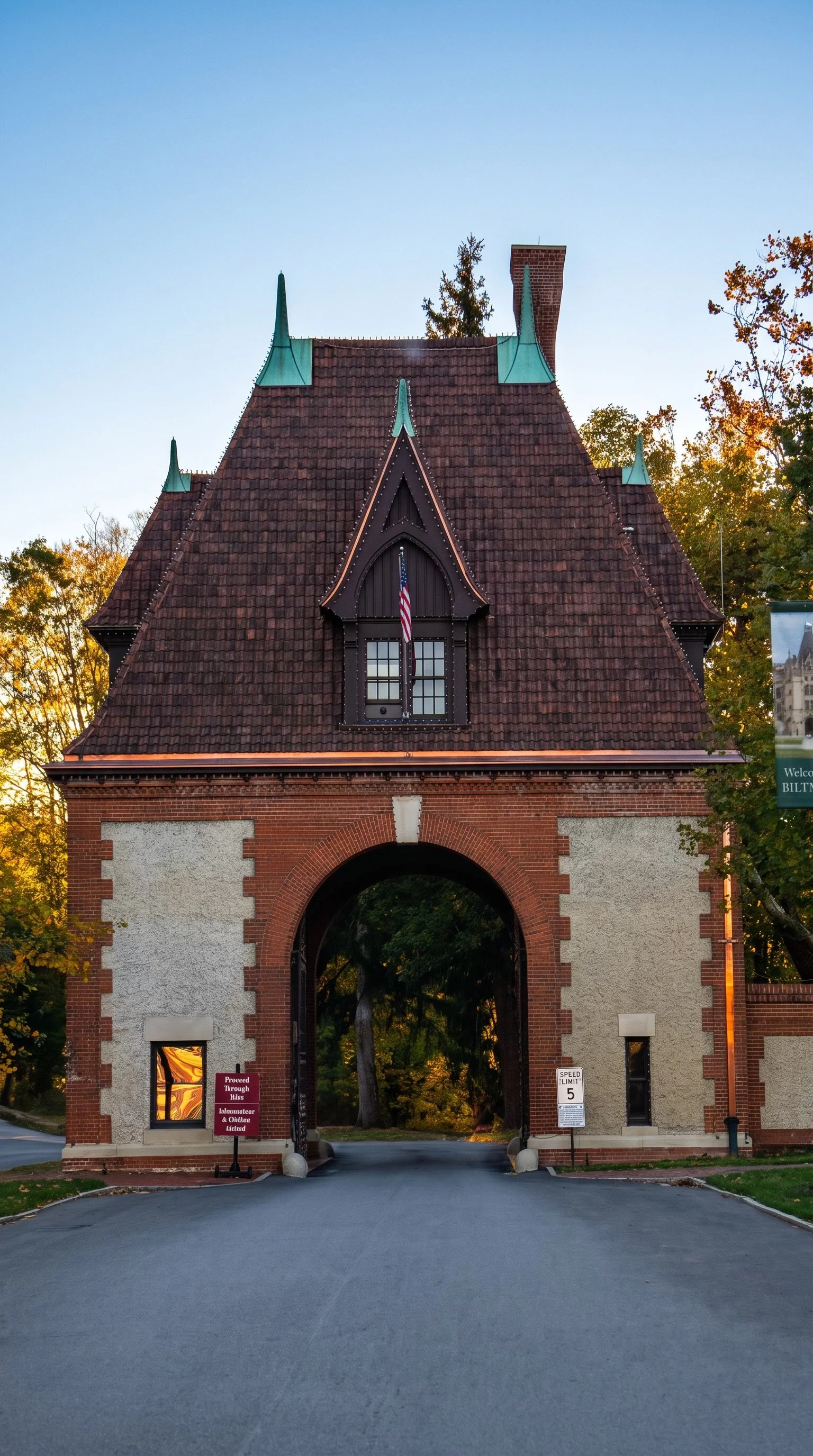
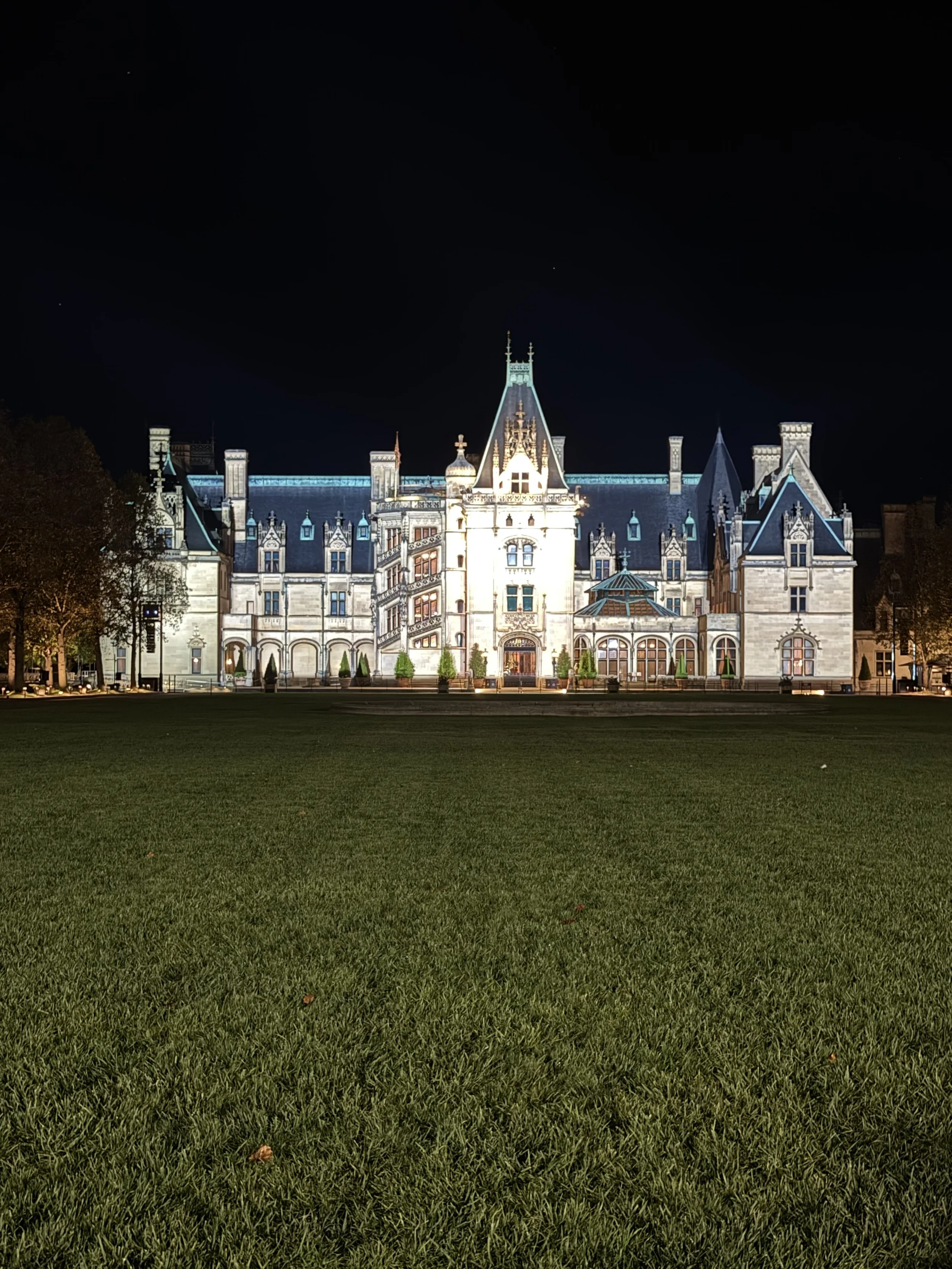
As soon as our car pulled toward Biltmore’s front entrance, I started grinning. My husband, Mike, knew instantly: this was going to take a while.
A spectacular house, intricate architectural details, and rooms upon rooms to explore? I was going to need a closer look. At pretty much everything!
Our visit to Asheville, North Carolina, brought together two of my favorite sources of inspiration: beautiful interiors and time outdoors. And while Biltmore was always going to be a highlight, some of my favorite discoveries were the smaller details tucked inside this very big house.
The Art of Designing for Living
One of my strongest impressions of Biltmore was how much thought went into creating a home that could accommodate both grand entertaining and the quieter rituals of everyday life.
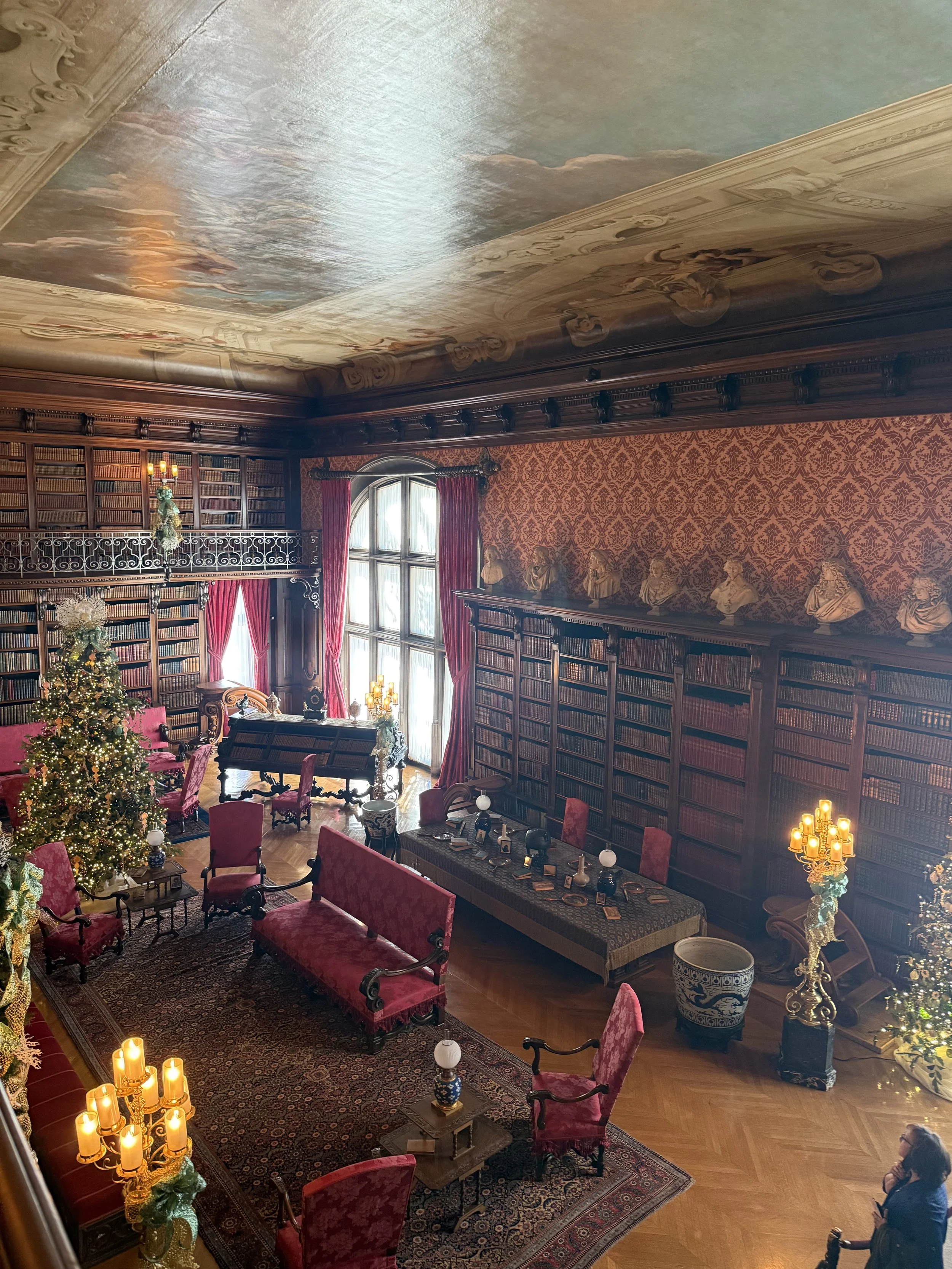
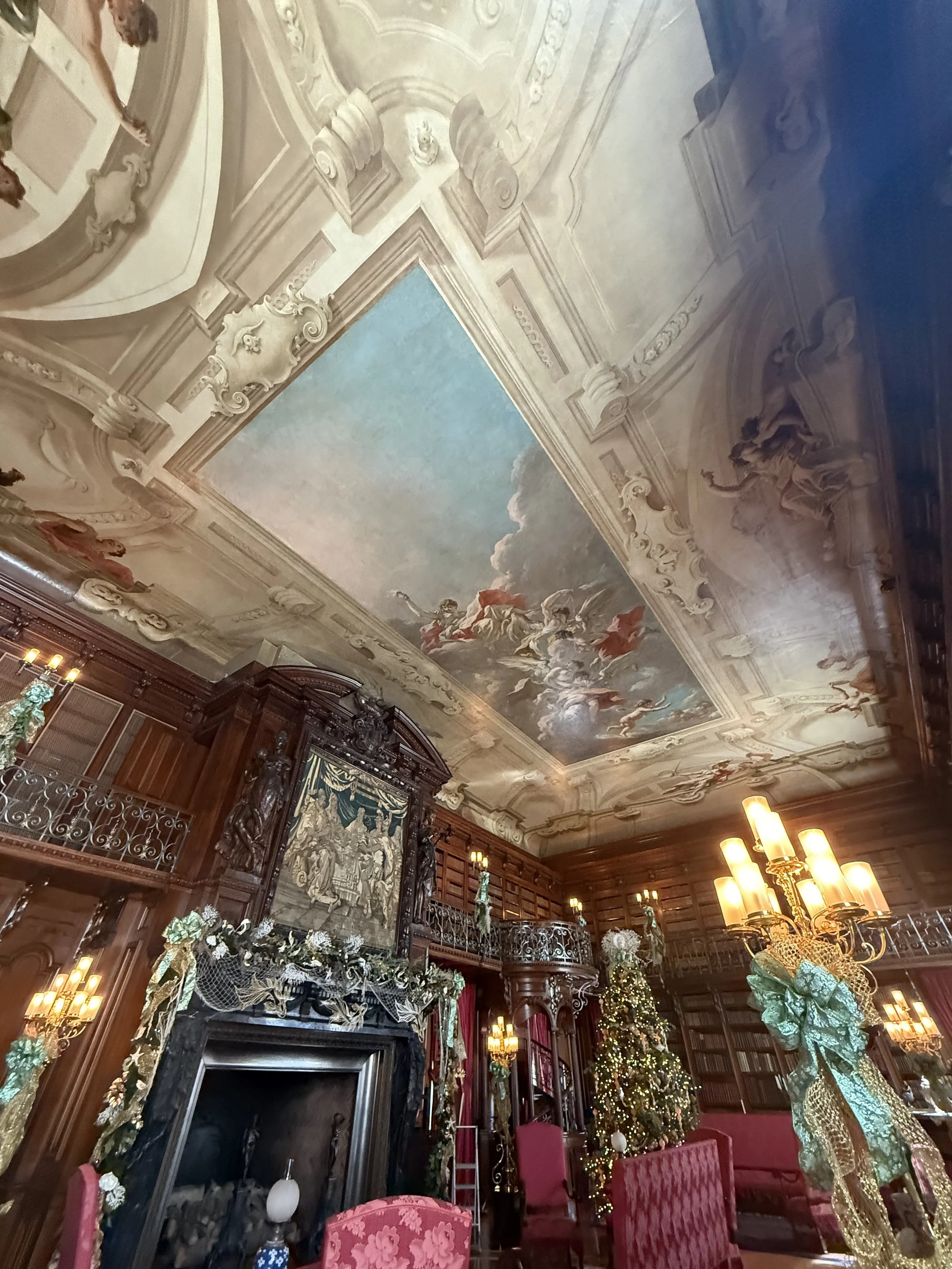
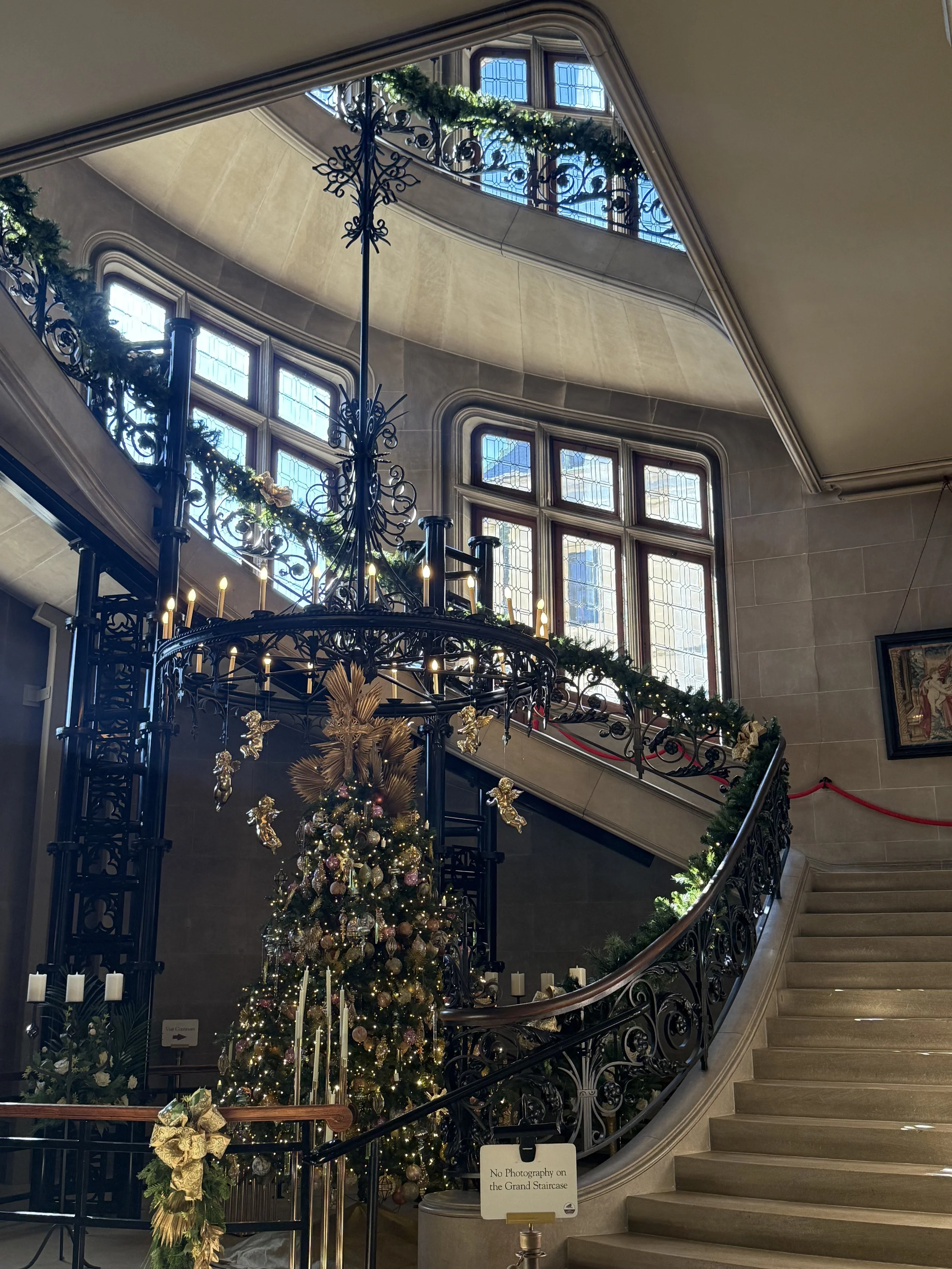
The Great Hall, where guests gathered and formal dinners were served, establishes an immediate sense of occasion. Its soaring proportions, architectural detailing, and rich materials create an experience before you even begin to appreciate the individual furnishings.
Yet elsewhere in the home, spaces feel surprisingly intimate.
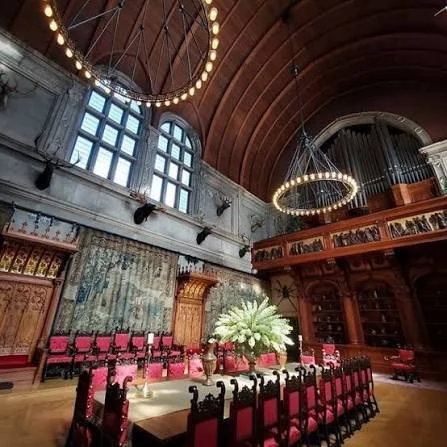
The Great Hall of the Biltmore Estate
The private sitting room connecting George and Edith Vanderbilt's bedrooms was particularly interesting to me and a good example of an intimate space within the estate. Its layered textiles, beautifully proportioned furnishings, and warm palette created an inviting space for conversation and relaxation. I loved this contrast.
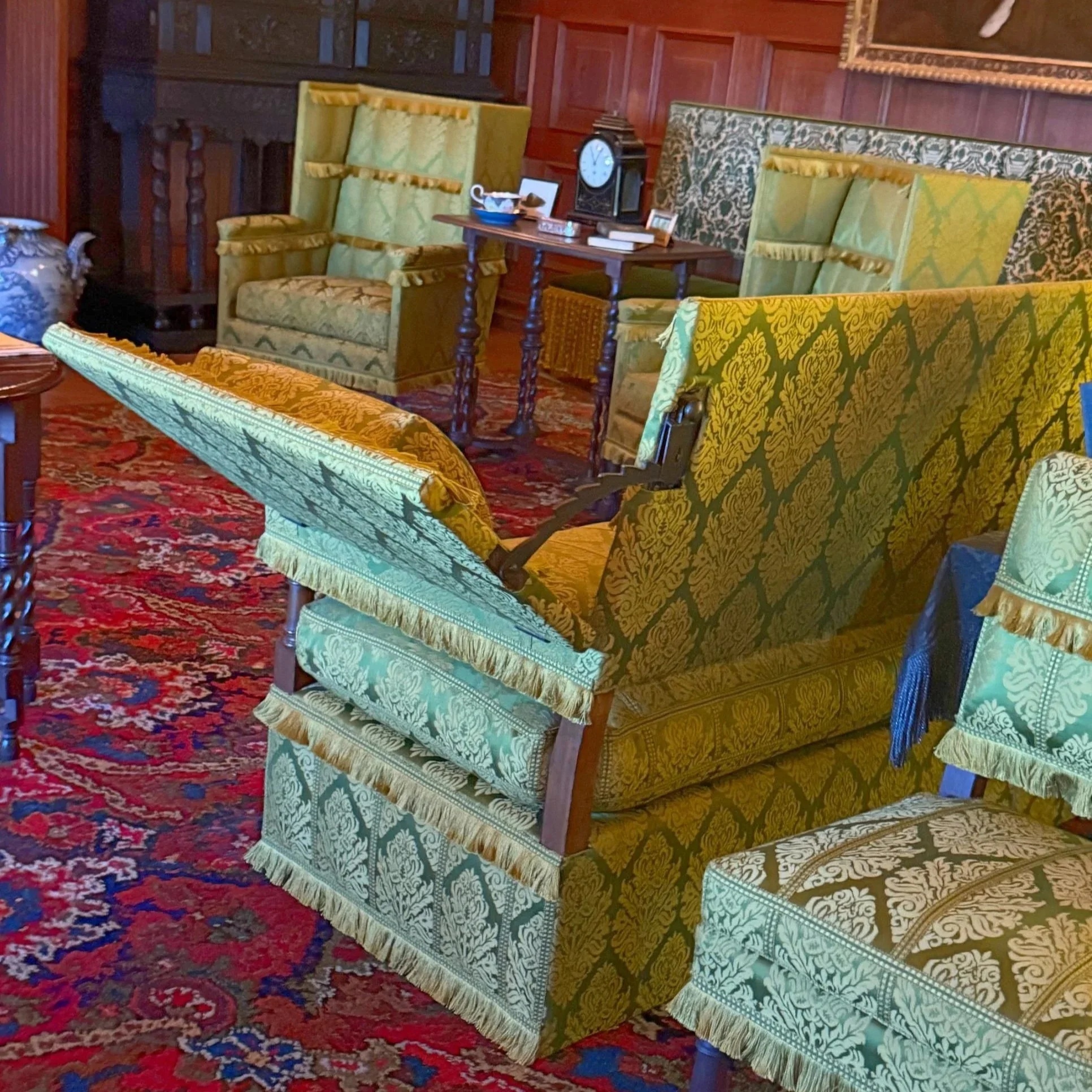
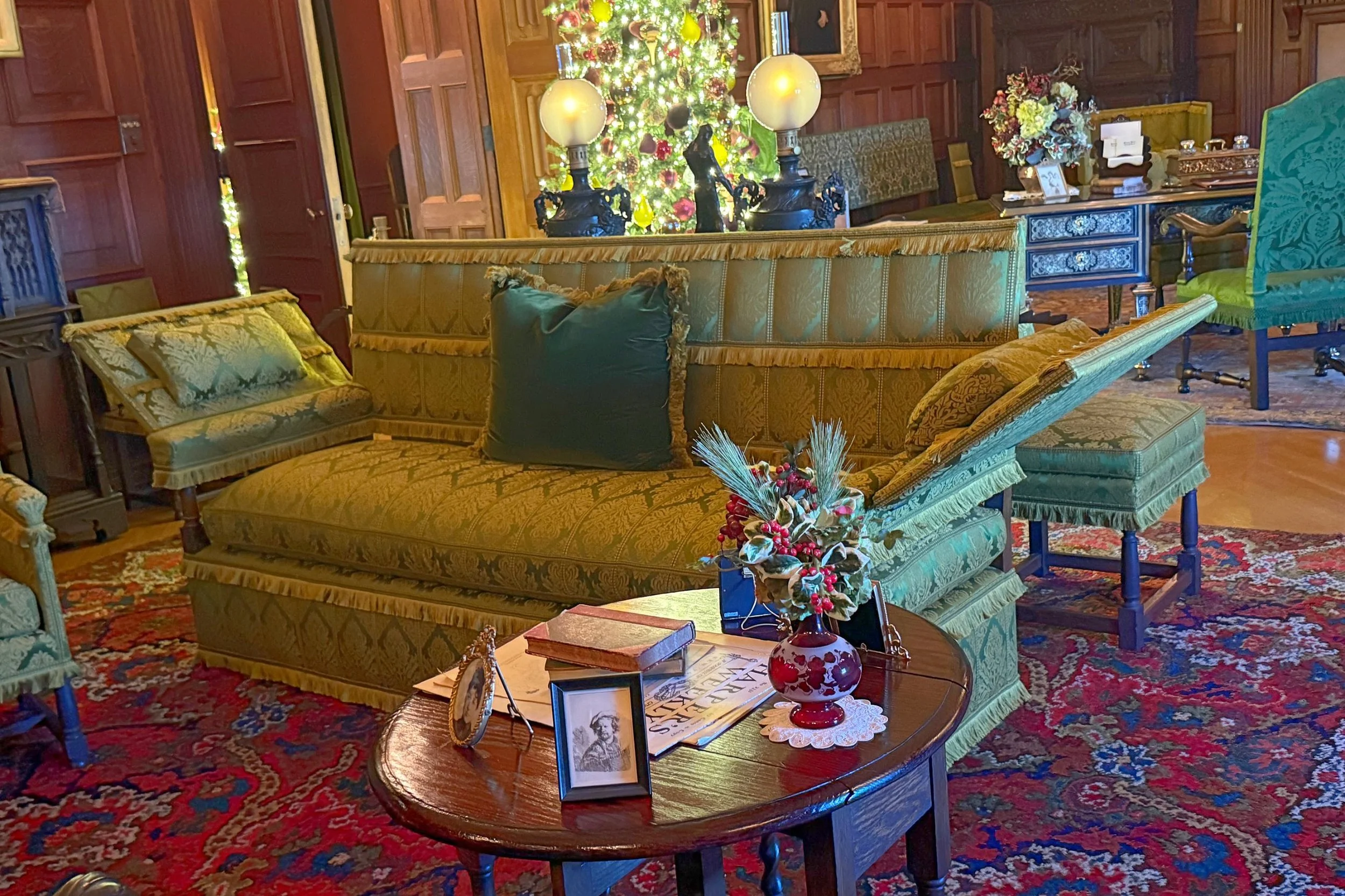
A home can be architecturally impressive without feeling formal in every room. In fact, some of the most successful interiors balance those moments of drama with spaces that encourage us to settle in and stay awhile.
It's a balance we think about often at KED Interiors. How will a family entertain? Where will they gather at the end of the day? Which rooms should feel expansive, and which should offer a sense of retreat?
Those questions are just as relevant today as they were when Biltmore was conceived.
Craftsmanship That Deserves a Closer Look
As a designer, it is expected that I notice the small details that others might pass by. At Biltmore, those details are everywhere.
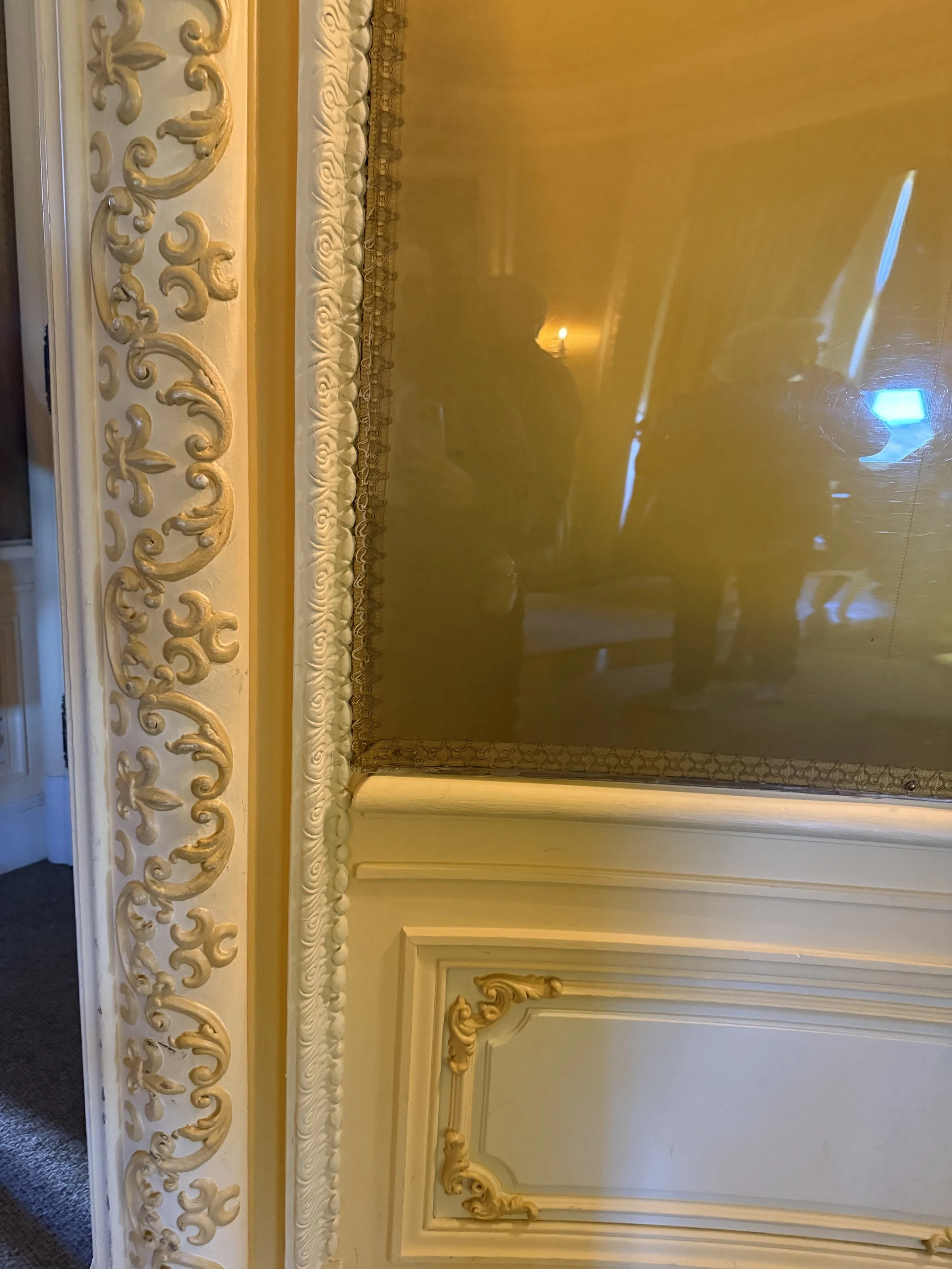
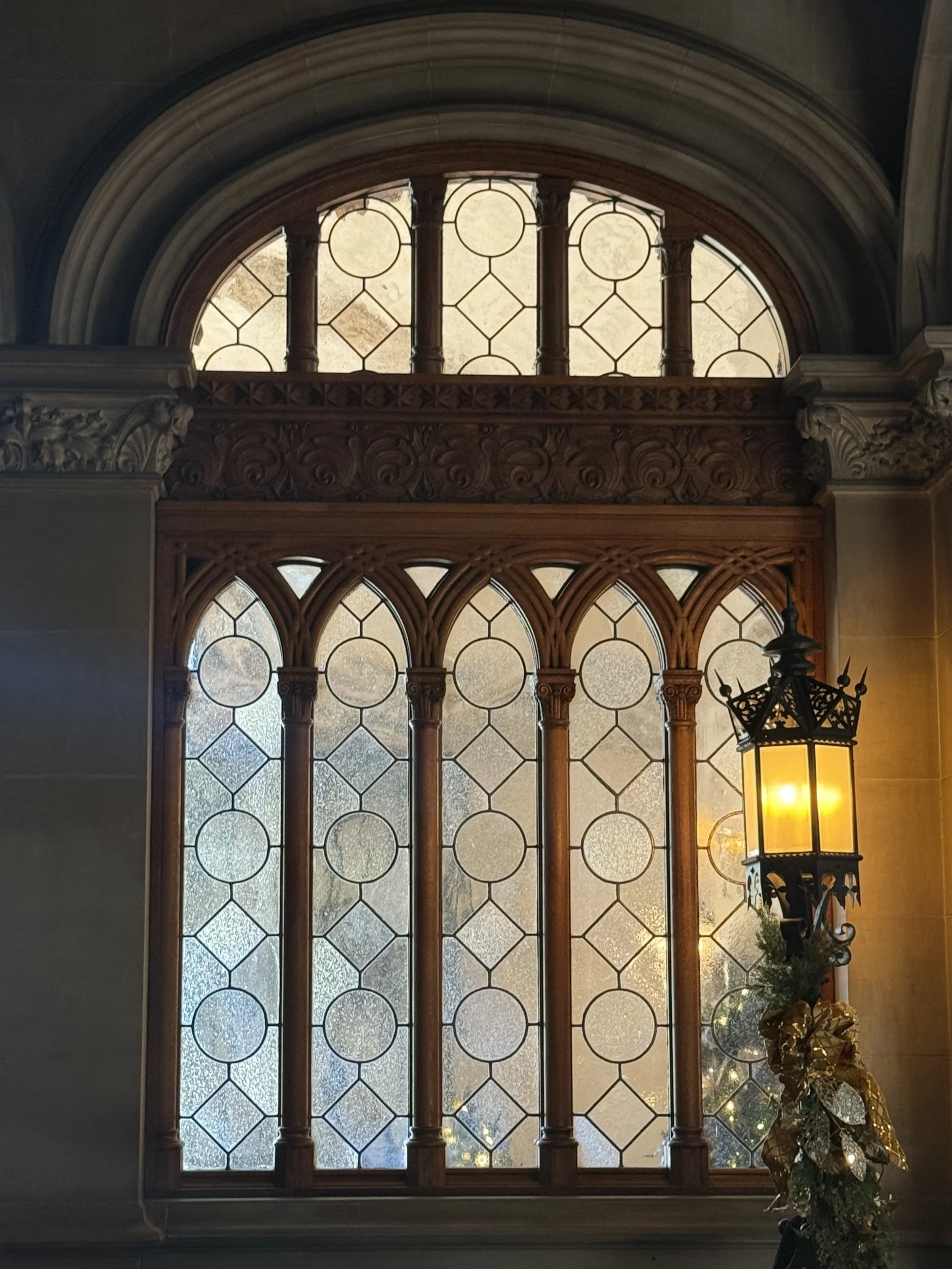
Intricately carved stonework, elaborate moldings, beautifully finished wood, and decorative textiles speak to an extraordinary level of craftsmanship. In one room, I was particularly taken with the combination of silk wall coverings, applied trim, and ornate architectural moldings.
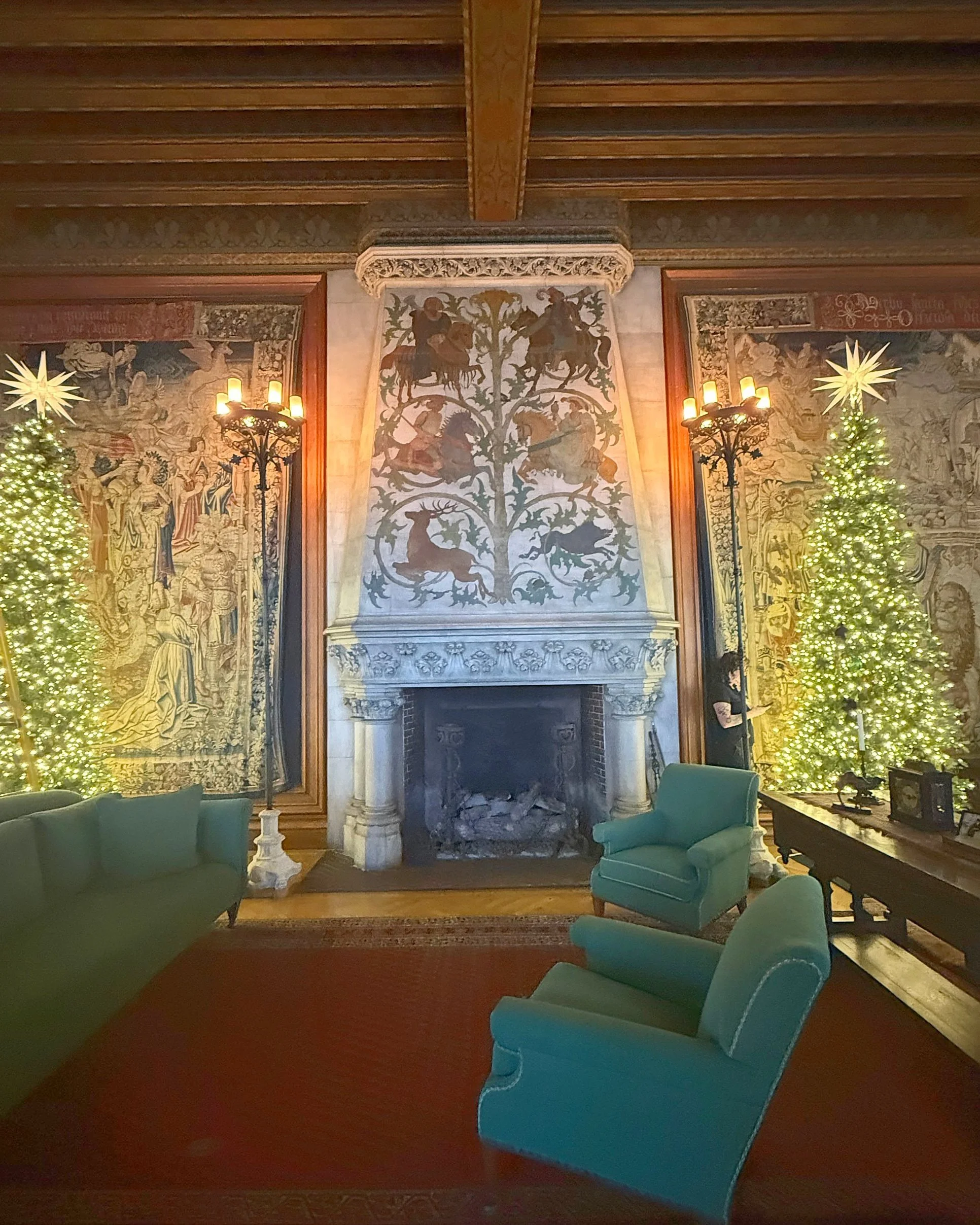
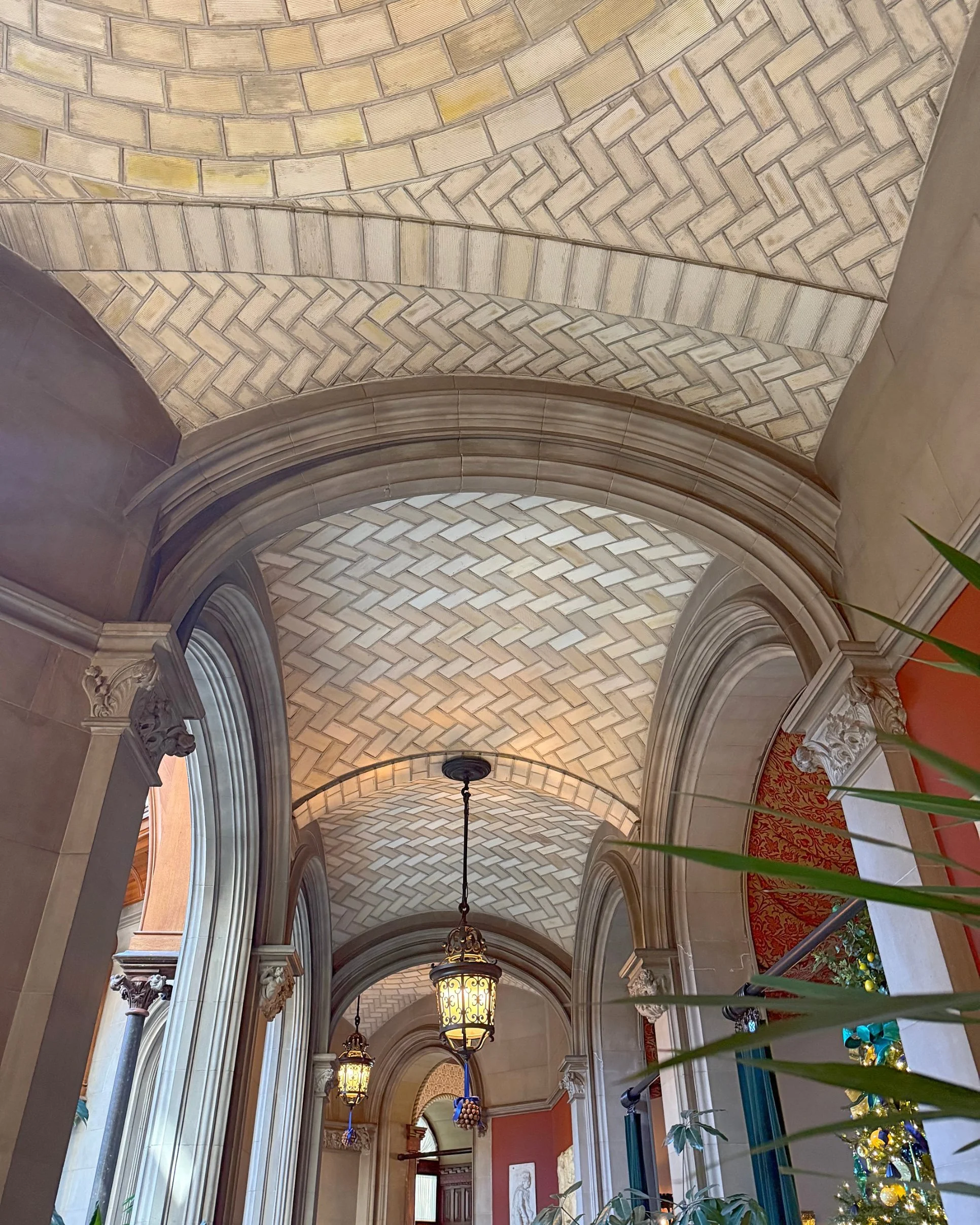
Throughout our tour and time at The Biltmore Estate, I kept pausing to look at how one detail met another. The silk wall covering was beautiful on its own, but I was just as interested in the trim around it and how it connected to the molding above. This is where Mike knows he’s going to have to give me a minute.
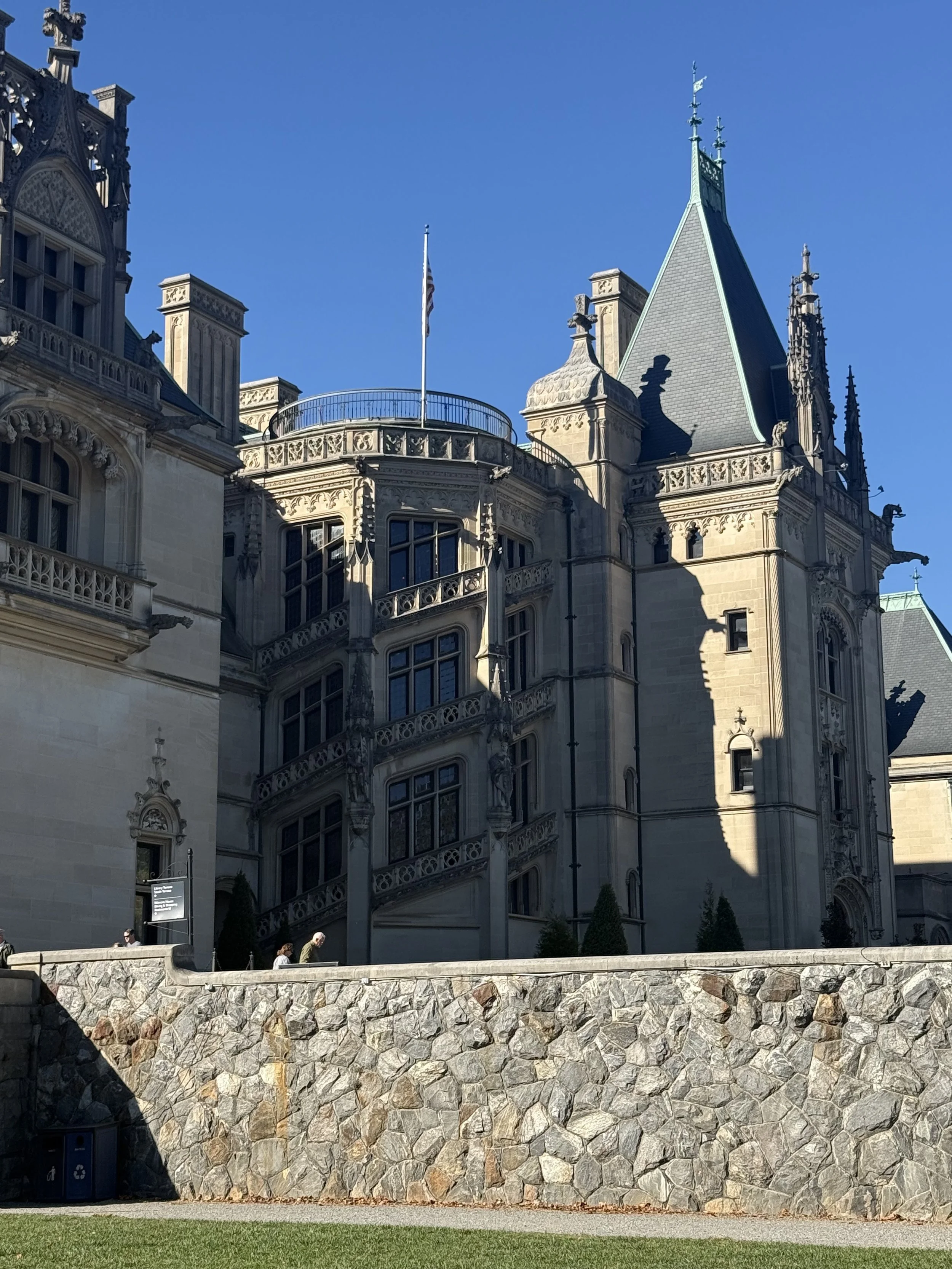
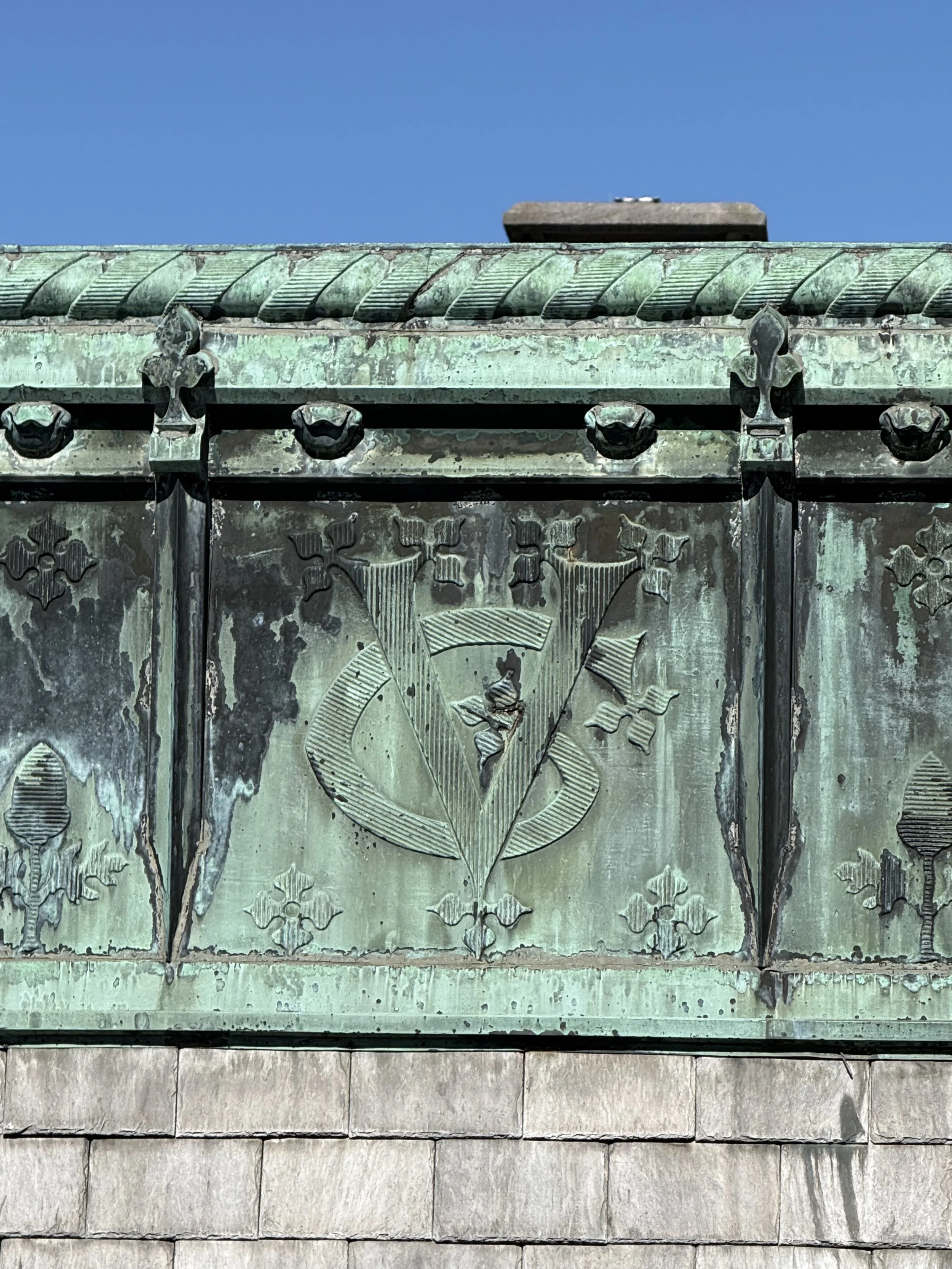
There’s so much pattern and ornament at Biltmore, and I loved getting close enough to see how it all came together. Outside, the carved stone figures along the roofline made me smile. With all that grandeur, there was still room for a little humor.
It’s a very different look from the homes we design at KED, but that attention to detail feels familiar. I can spend a surprising amount of time choosing a molding profile or working through where two materials meet. Seeing the craftsmanship at Biltmore was a pleasure for someone who cares about those decisions as much as I do.
A Different Perspective on Furniture and Function
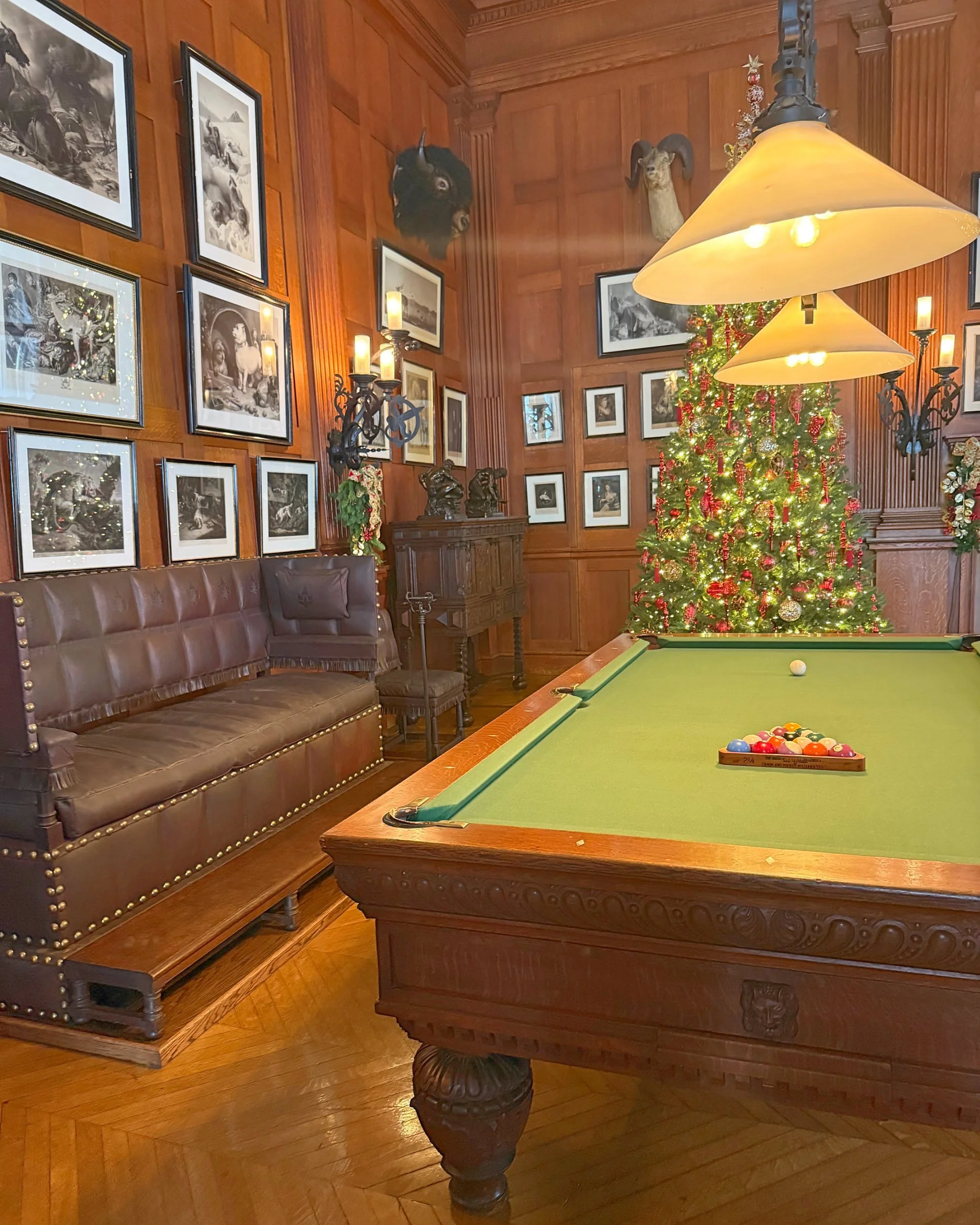
One of my favorite discoveries was in the Billiard Room.
The seating was arranged on a raised platform beside the billiard table, giving those seated a better view of the game while creating a distinct gathering area within the room.
It was such a clever solution! The furniture wasn't simply placed around the perimeter. The architecture itself helped define how people would experience the space.
A Game Room Idea Worth Bringing Home
I immediately began thinking about how a similar concept might translate into a contemporary home, perhaps in a game room, an entertaining space, or even a media room where different seating elevations could improve sightlines and create a more interesting arrangement.
These are the kinds of observations I love bringing home from my travels.
Sometimes inspiration comes from an extraordinary material or an unexpected color combination. Other times, it comes from seeing a familiar design challenge solved in a completely different way.
Bringing the Outdoors Into the Experience
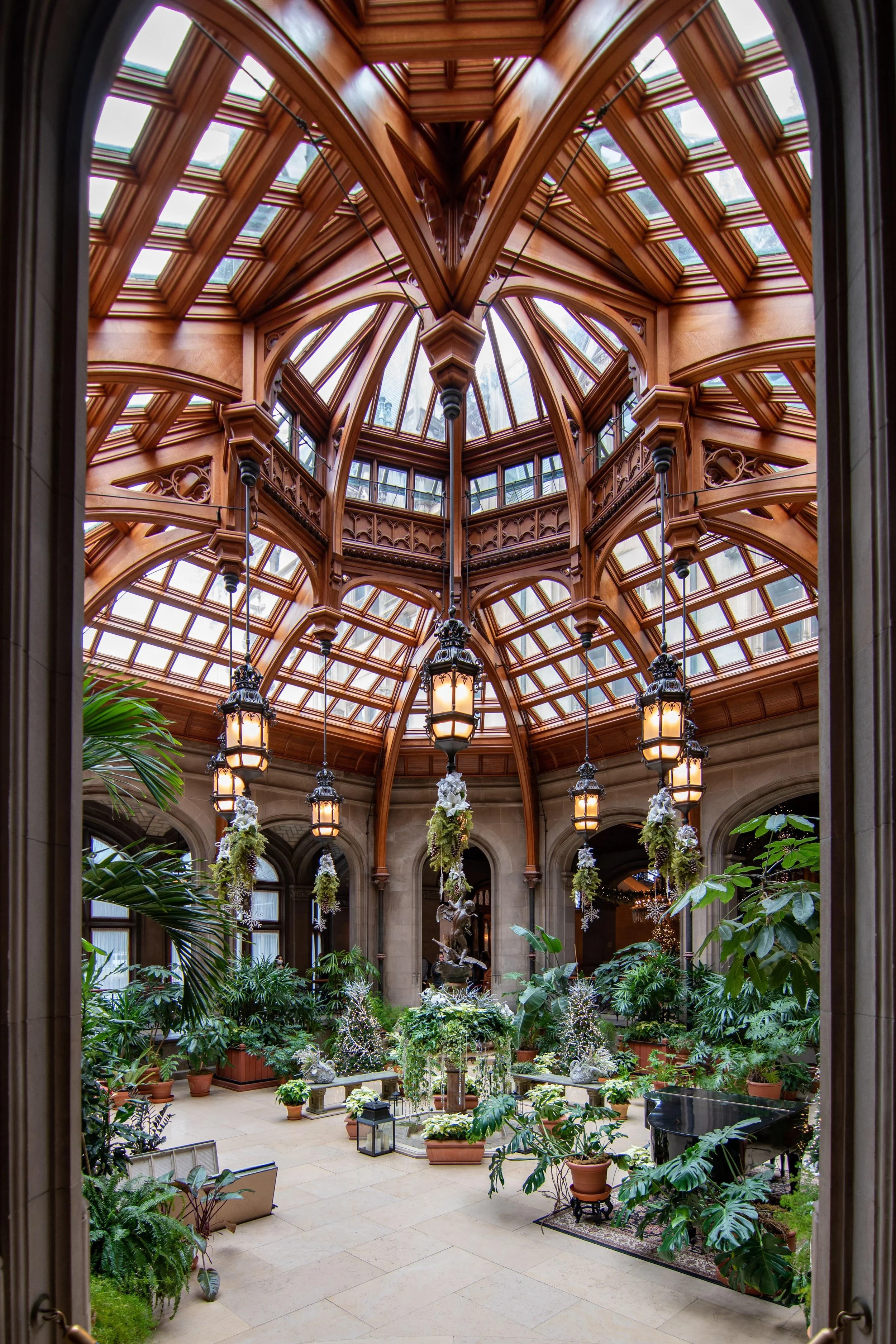
Biltmore's Winter Garden was another space that stayed with me. Located just off the entrance, the room welcomed guests with natural light, lush greenery, and an extraordinary glass roof.
Imagine arriving after a long journey and being invited to relax in a beautiful indoor garden. It was a thoughtful transition between the grandeur of the home and the natural landscape surrounding it.
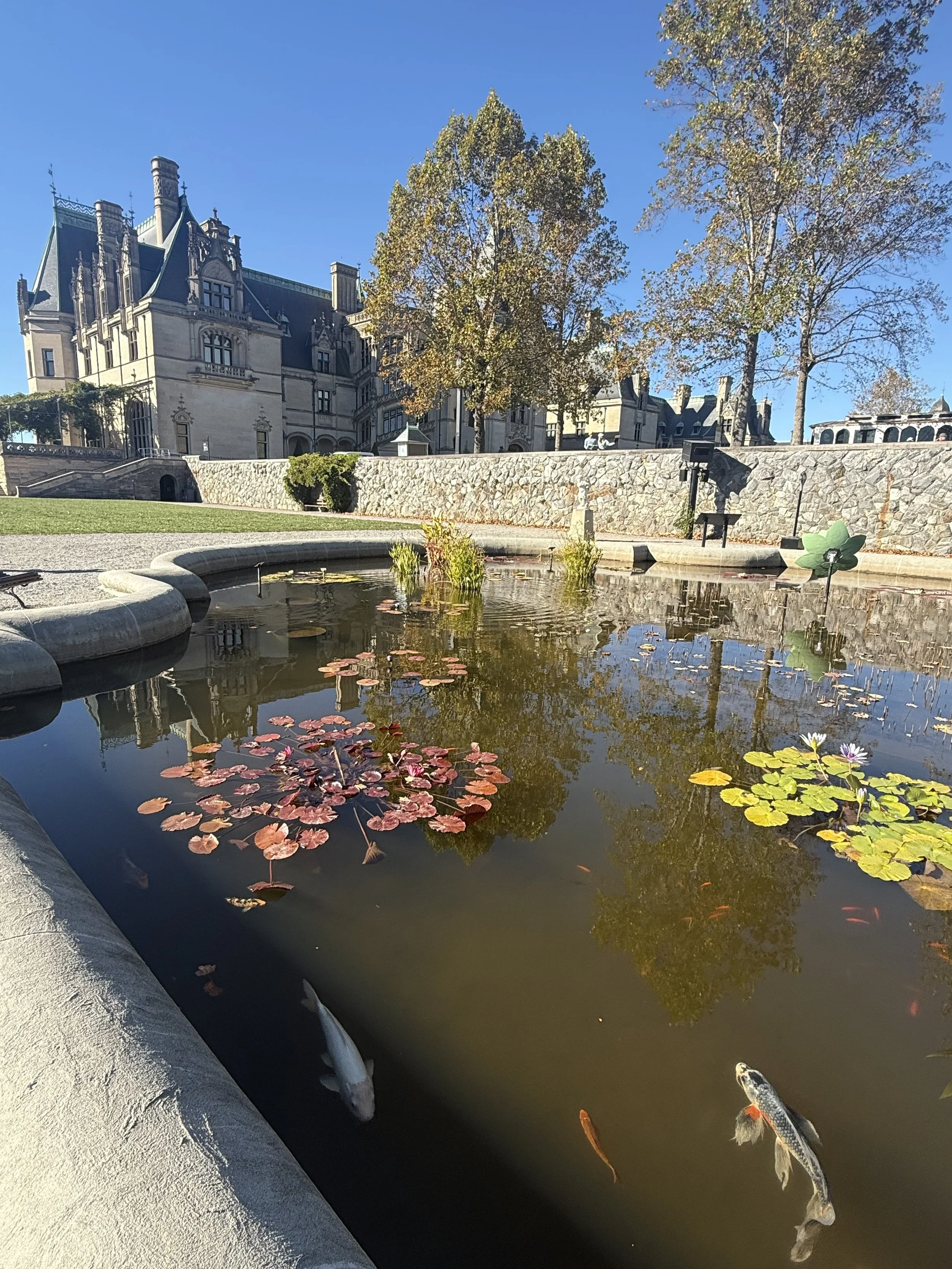
Throughout the estate, that relationship between indoors and outdoors is impossible to ignore. From the terraces and gardens to the expansive mountain views, the architecture continually draws your attention toward the landscape. The home feels connected to its setting rather than simply placed upon it. That is a philosophy I strongly believe in. We always start with the natural environment, and how a home can work within it. What a great example of that this is!
Whether we're designing a new home or reimagining an existing one, understanding the surrounding landscape is essential. Natural light, views, architectural orientation, and the connection to outdoor living spaces should all influence the interior design.
At Biltmore, this relationship was considered on an extraordinary scale. But the principle applies to homes of every size.
A Home Designed for More Than Beauty
One of the most fascinating aspects of Biltmore is that it was conceived as more than an extraordinary residence.
The estate included working agricultural operations and was part of Vanderbilt's larger vision for the land. It was a place for recreation, hospitality, and a connection to nature.
The indoor swimming pool was another interesting example. At a time when a private indoor pool was highly unusual, swimming was recognized as an activity that contributed to health and well-being. Today, we often talk about wellness in residential design, spaces that support physical health, relaxation, and a better quality of life. It was fascinating to see an early expression of that thinking within a home built more than 130 years ago. The specifics of how we live have certainly changed. But the desire to create a home that supports our interests, routines, and well-being has not.
Finding Inspiration Beyond the Estate
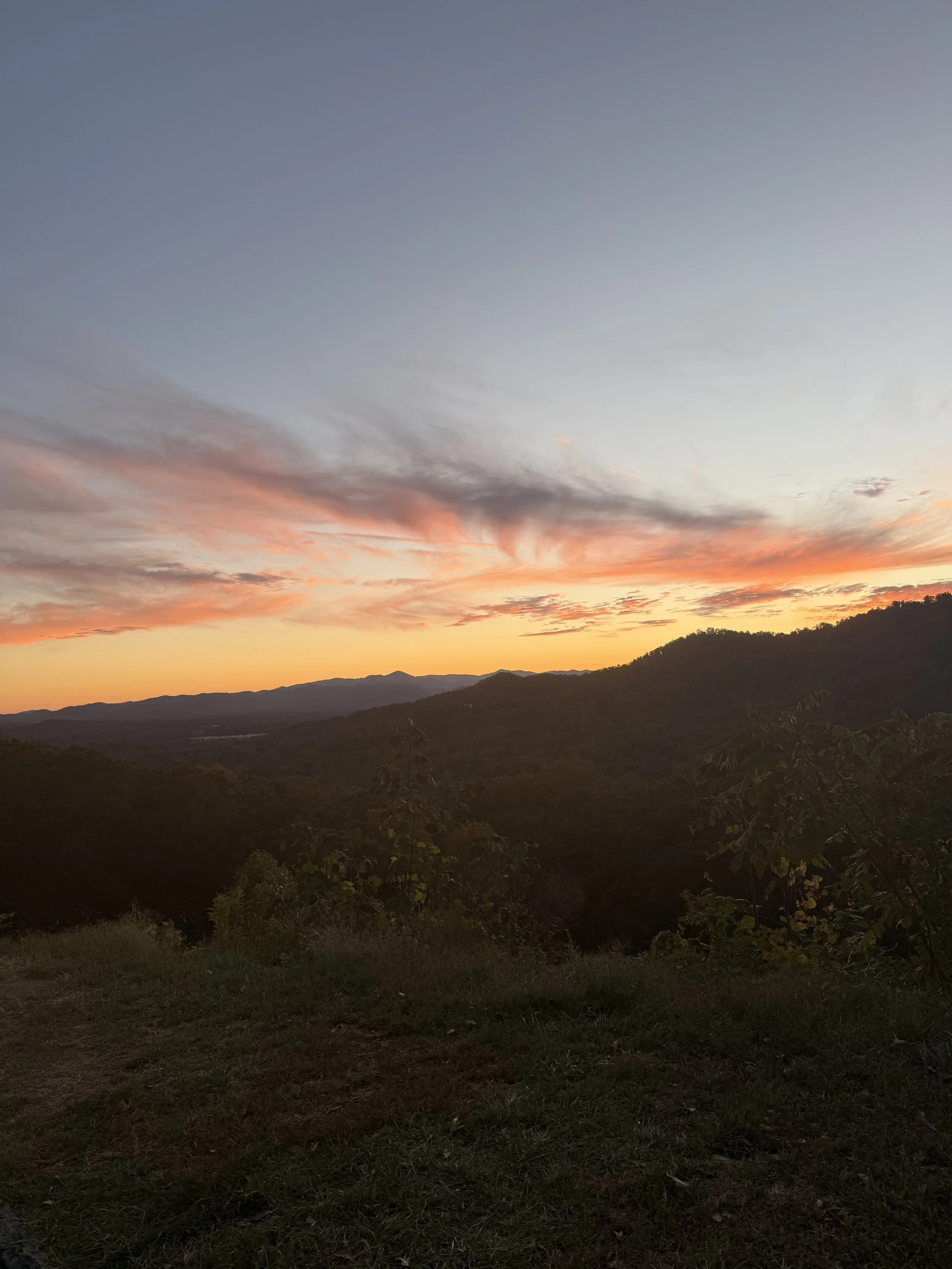
The surrounding Blue Ridge Mountains were every bit as inspiring. We explored the area, including the trails around Craggy Gardens, where the sweeping mountain views were breathtaking. There's something about being immersed in a landscape like that that changes the way you think about color, texture, and proportion. The layers of mountains in the distance, the changing light, and the natural variations in the landscape all offer inspiration that is difficult to replicate from a photograph. It also gave me a greater appreciation for why George Vanderbilt chose this particular setting for his home. The architecture is extraordinary, but the landscape is an essential part of its story.


What I'll Bring Back to KED Interiors
Sometimes it's a detail I photograph because I love the craftsmanship. Sometimes it's a room arrangement that makes me reconsider a familiar approach. And sometimes it's simply the feeling a space creates. After this visit, I am bringing back a bit of all three.
I returned with a renewed appreciation for the importance of architectural detail, thoughtful space planning, and designing interiors that feel connected to their surroundings.
But perhaps the most lasting impression was the understanding that great design is not defined by a particular era or aesthetic. It's defined by thoughtful design.
The most memorable homes are those where architecture, interiors, and landscape work together, where every space has a purpose, and where beauty is inseparable from the experience of living.
That is what makes Biltmore so extraordinary, and it's a philosophy I look forward to continuing to explore through our work at KED Interiors.
— Katie