

What Full-Service Interior Design Really Includes
When clients ask what full-service interior design includes, the question usually comes after they’ve already felt the weight of too many decisions or they know they want their home to feel like one connected whole, reflective of their individuality and personal preferences.
Layouts, finishes, lighting, and furnishings each matter, and none of them exist in isolation. Full-service design brings structure to that process. It’s a comprehensive approach that allows a home to be planned thoughtfully from the beginning, so the finished space feels cohesive, functional, and complete the day you move in.
At KED Interiors, we see our role as guiding your home from concept through completion. Our schematic design process allows our clients navigate each decision with confidence, so the finished home feels cohesive, functional, and ready to be lived in.
This distinction matters most in custom homes, renovations, and lake residences, where fragmented decisions can quietly unravel even the best intentions.
Full-Service Design Is an Integrated Engagement
Full-service interior design means engaging an interior designer to guide the entire home holistically, rather than addressing pieces in isolation. Layout, lighting, materials, and furnishings are developed together, led by how the home will be lived in, not just how it looks.
Rather than offering individual services, full-service design brings structure to a complex process. It replaces guesswork and sequencing issues with clarity, continuity, and thoughtful planning.
In practice, this approach allows the KED Interiors design team to:
Consider sightlines across rooms, not just within them
Balance scale and proportion throughout the home
Ensure materials and finishes transition seamlessly
Plan furniture layouts alongside architectural decisions
Each phase builds on the one before it, which is why full-service design works best when it’s approached as a complete scope.
What Full-Service Interior Design Typically Encompasses
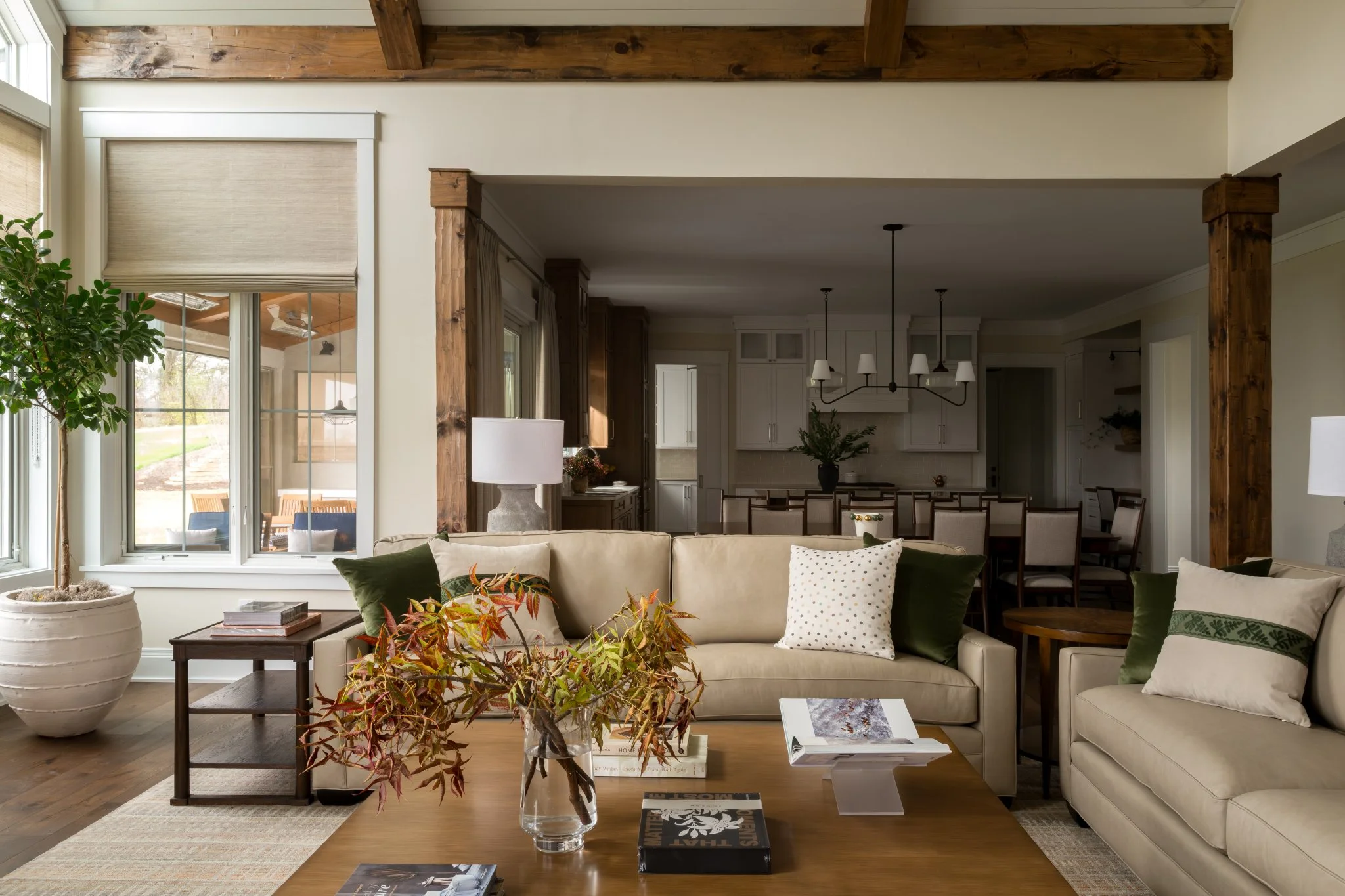
While every project is tailored to the home and the client, full-service interior design generally includes:
Space planning and layout development to support flow, function, and daily use
Finish and material selection guided by longevity, context, and continuity
Lighting and interior architectural detailing to shape how spaces feel and perform
Custom furnishings and built-ins designed for scale, comfort, and purpose
Procurement, coordination, and installation oversight to ensure the design is executed as intended
These elements are intentionally interconnected. Furniture planning informs lighting. Lighting affects material choices. Materials influence how a space reads once furnished.
Finish Selection as an Integrated System
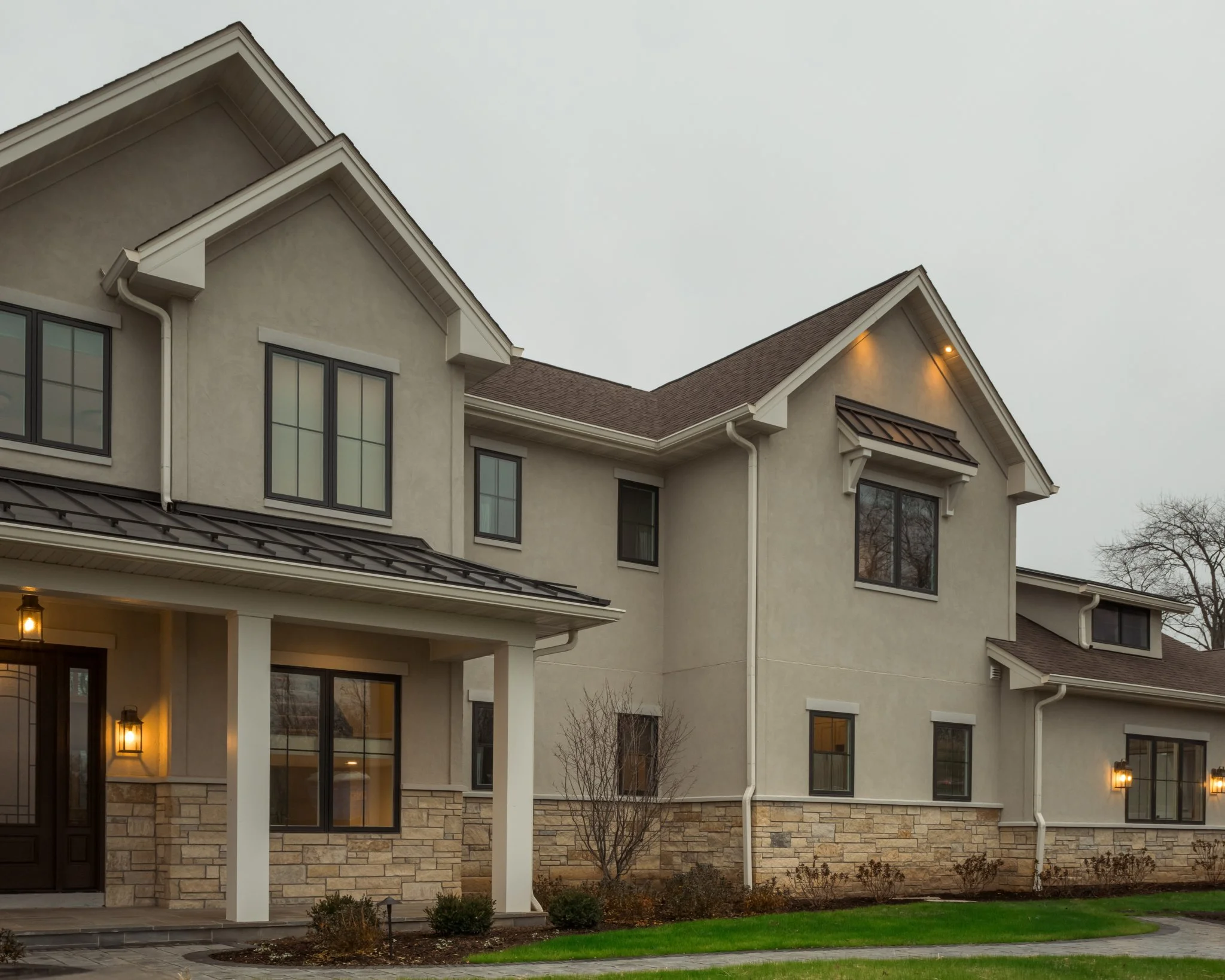
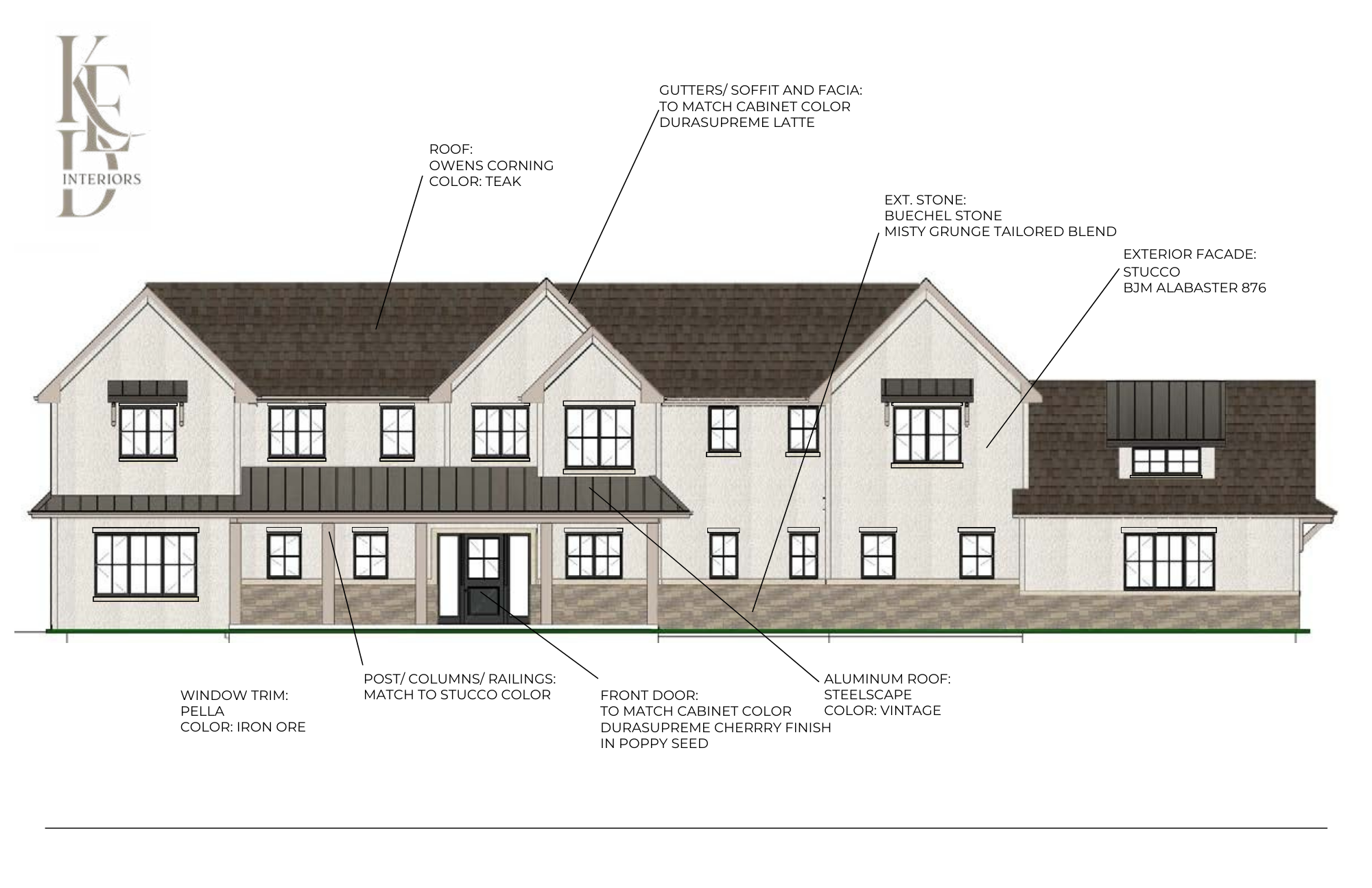
For example, in this custom home, the exterior stone selection and stucco tone were developed alongside the interior fireplace elevation, not after.
The same limestone palette and warm undertones used on the exterior façade were intentionally carried into the great room fireplace, ensuring visual continuity from arrival to interior gathering space. By aligning roof tones, window trim, stone blend, and millwork finishes early in the process, the home reads as cohesive rather than segmented.
When material decisions are made holistically, the exterior and interior feel connected, not like separate projects.
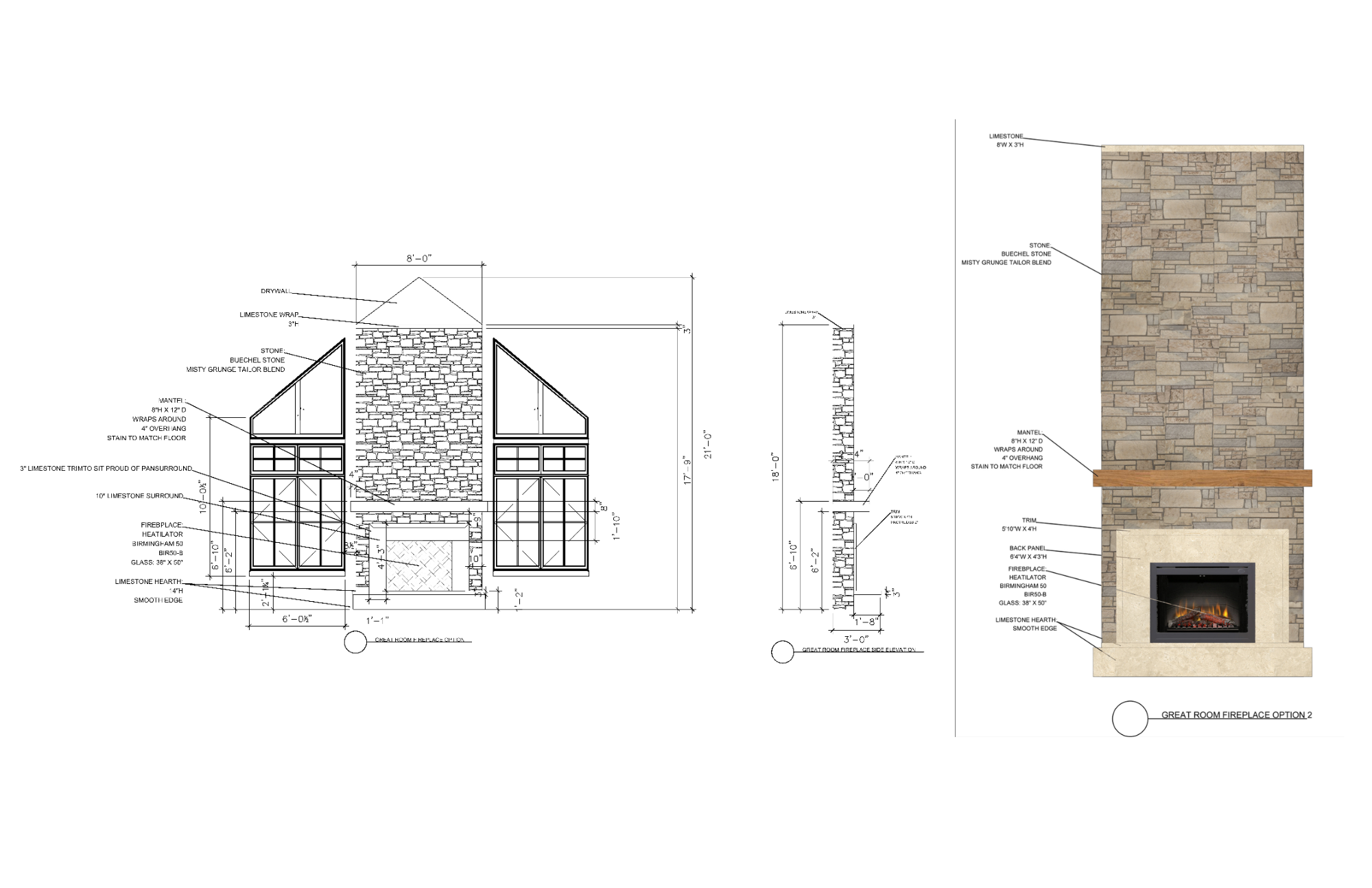
Separating these decisions often leads to revisions, delays, or spaces that feel unfinished. Whole-home design avoids that fragmentation by addressing materials, architecture, and furnishings as one continuous conversation.
Read about our interior design process here.
Why Full-Service Design Is Not À La Carte
A common misconception is that full-service interior design operates like a menu, where clients can select finishes only, furniture only, or layout advice without broader context. In reality, design decisions don’t exist independently.
Choosing finishes without understanding furniture layouts can affect scale and proportion. Planning furniture without lighting can leave a room feeling flat or impractical. Selecting lighting without considering architecture can create visual imbalance.
Full-service design addresses these dependencies by sequencing decisions intentionally. The goal isn’t more choices. Our goal is to offer you better ones, made with the full picture in view.
Common Misunderstandings About Scope
Many clients come to full-service design after experiencing decision fatigue or disappointment with piecemeal updates.
Common assumptions include:
That individual services can be separated without consequence
That design decisions can be finalized out of sequence
That furnishings are a finishing layer rather than a structural component
Full-service design exists precisely to prevent these issues. By treating the home as an interconnected whole, the process becomes calmer, more efficient, and far more cohesive.
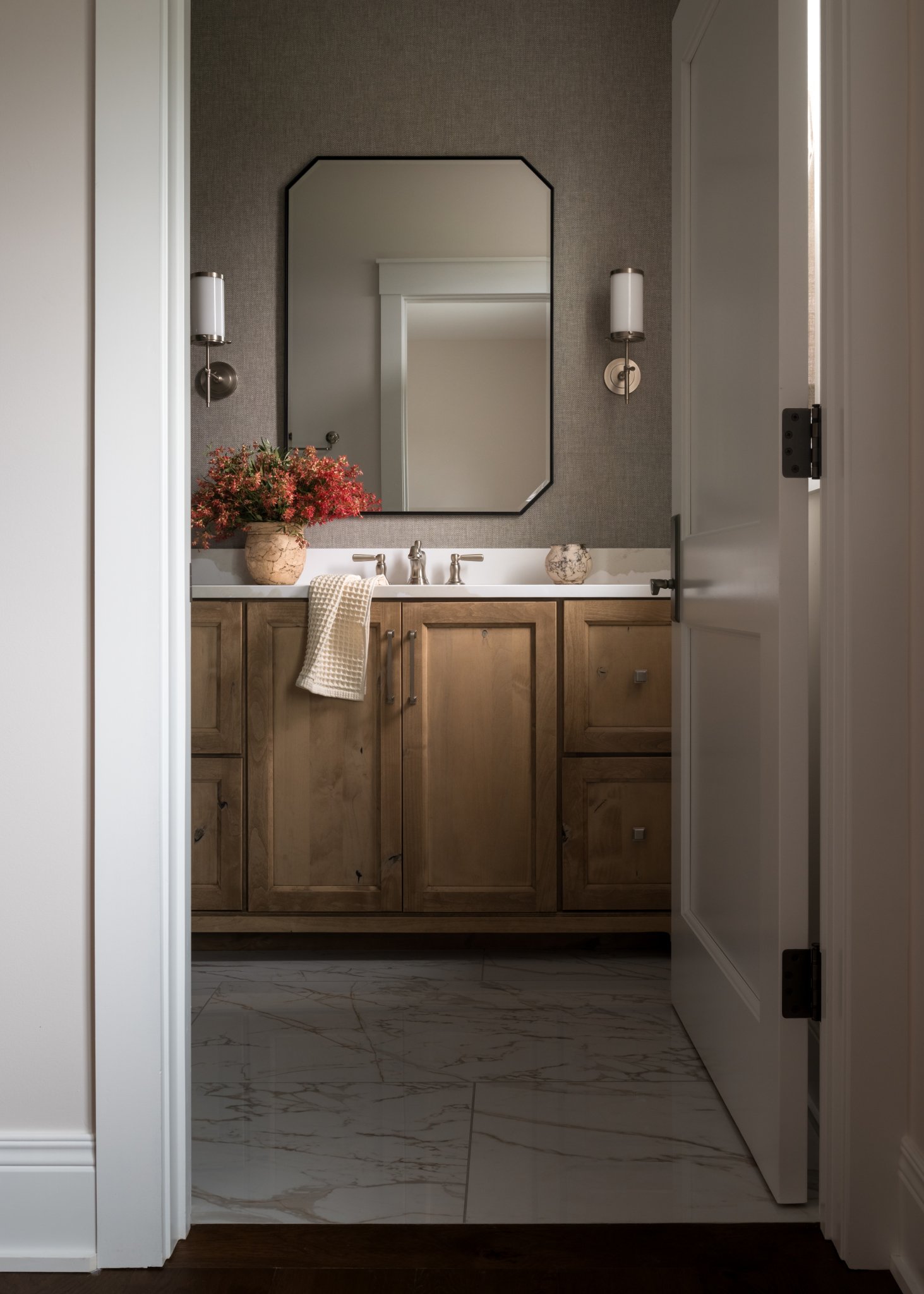
Who Full-Service Interior Design Is Best For
Full-service interior design is ideal for clients who:
Are building or renovating a home
Want a cohesive result rather than room-by-room solutions
Value professional guidance through complex decisions
Prefer a structured process that leads to a move-in-ready home
For those seeking help with a single space or furnishings-only updates, a more focused service may be a better fit. Signature Spaces, which we offer through our design boutique, KED at Home, offers exactly this level of design service.
The key is clarity, understanding what type of engagement best supports the outcome you want.
Designing the Whole, Not Just the Parts
At its core, full-service interior design is about stewardship, guiding a home from concept through completion with intention and care.
When design is approached holistically, the result isn’t just a beautiful space. It’s a home that feels finished, functional, and ready to be lived in from day one.
We invite you to explore our recent interior design projects, both for new home build and extensive remodels and home renovations.